
The Six-Pack Question Every CEO Should Ask Their Team
Years of effort, zero results. Until my 5-year-old asked one question.

Last fall, I joined one of the best gyms in town. Black Friday sale, annual membership, the whole deal.
I joined mostly for mental health. There was a lot of uncertainty in my life, lot of ups and downs. Gym helped with that. It always has.
I’ve been going to gyms for years. I know the exercises, I have decent program, I show up 3 times a week. I was doing everything “right.”
And then my 5-year-old daughter seen my wife watch Bridgerton and saw some guy with a six-pack on screen. And she asked me: “Daddy, where is YOUR six-pack?”
I’m like: Hell, yeah. That’s right.
Years of working out. And I never actually set a goal of getting a six-pack.
The Day Everything Changed
Same day, I did the research. Turns out 80% of getting abs happens in the kitchen, not the gym.
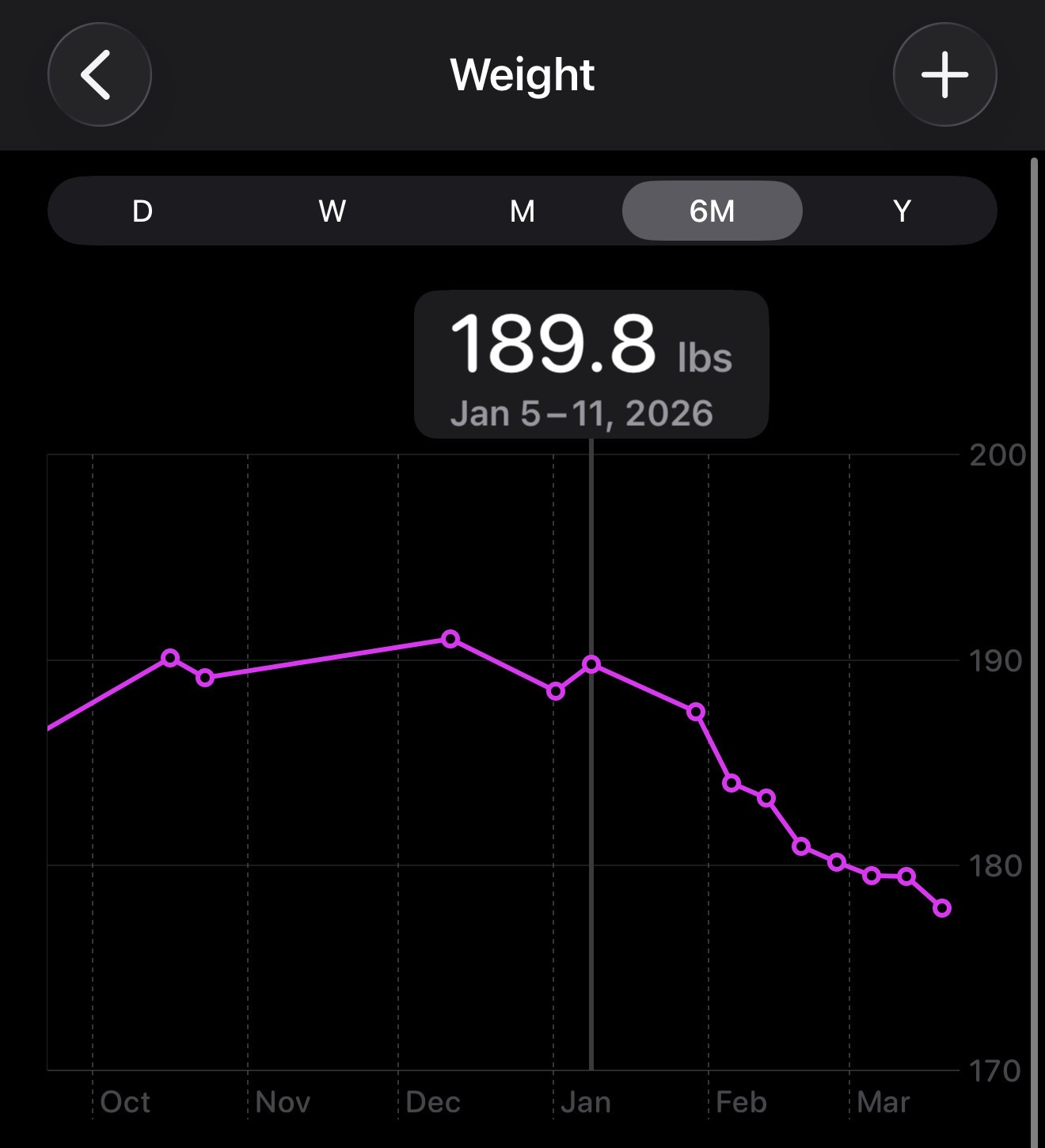
So I downloaded a calorie tracking app (one with AI that scans your food - pretty cool - 0xCal), bought iso whey protein, set a target weight, and started calorie deficit.
And here’s the thing... when you have a clear goal, you start seeking out knowledge. A guy at the gym mentioned creatine to preserve strength while cutting. Before, I would have nodded and forgotten. Now I bought it the same day.
I stopped eating snacks, cookies, cakes. Basically stopped drinking alcohol except special occasions. Started weighing myself every day.
But here’s the crazy part: I’m pushing MORE weight in the gym now. Despite eating way fewer calories. Because every rep matters. Every meal matters. There’s a destination now.
Two weeks in, I’ve already dropped a couple of kilograms. And I feel more energized than before, not less.
Same Gym. Different Results.
The thing is, I was putting in effort before. Real effort.
Going to the gym 3x per week ✓
Following decent program ✓
Showing up consistently ✓
But I had no goal. I was just... maintaining. Going through the motions. Working out for the sake of working out.
The moment I set specific target, everything reorganized around it. Not just my workouts - my entire life shifted. Diet, supplements, tracking, focus. Same gym, same equipment, same time investment. Completely different trajectory.
Your Company Is Probably Doing the Same Thing
I see this pattern constantly in the companies I work with.
Teams that are genuinely busy. Genuinely working hard. Daily standups, sprint planning, quarterly reviews, lots of meetings. Everyone’s showing up. Everyone’s working.
But toward what?
When I ask: “What’s your six-pack? What specific outcome are you trying to achieve this quarter?” - often there’s silence. Or answers so vague they could mean anything.
The research backs this up. Businesses with clear goal-setting systems grow 12% faster and make 31% more money. But only 4 out of 10 employees actually understand what their company is trying to achieve.
More than half your team might be working toward... nothing specific.
Busy Is Not the Same as Productive
There’s an outdated mindset in lot of organizations: lots of input equals lots of output equals success. Full schedules and 60-hour weeks get rewarded with appreciative nods.
But busy doesn’t equal productive. Busy often gets in the way.
When you start conversations with “What did you do this week?” you create illusion of progress. Everyone’s always doing something.
When you start with “Did we move closer to our goal?” - suddenly it matters whether those activities produced results.
It’s the difference between “I went to the gym 3 times” and “I lost 2 kilos.”
Lead Metrics and Lag Metrics
This is where simple framework helps.
A lag metric is the outcome. It’s backward-looking - by the time you see it, it’s history. My weight on the scale. Your quarterly revenue. Customer churn rate.
A lead metric is the activity that predicts the outcome. It’s forward-looking - you can influence it directly. My daily calories. Your team’s number of customer conversations per week.
Most companies only track lag metrics. They look at revenue or churn after the fact and wonder why things aren’t improving. Or worse - they track activities without connecting them to any outcome at all.
“We shipped 47 features this quarter!” Great. Did it move the number you actually care about?
The moment you set clear goal, your lead metrics suddenly matter. They’re connected to something real. You can course-correct weekly instead of discovering problems quarterly.
What Actually Changes When People Know the Goal
Here’s where it gets interesting. Concrete example from my work.
When engineers only know “build feature X,” they build feature X. They might overengineer it. They might add complexity that looks impressive but doesn’t matter. They optimize for code elegance because that’s what they can see.
But when engineers know the actual business goal - “we need to reduce churn by 15% this quarter, and this feature is our hypothesis for how” - something shifts.
Suddenly they’re asking different questions. “What if we built simpler version first to validate the hypothesis?” “Do we even need this feature, or could we solve the churn problem differently?” “What’s the fastest path to learning if this works?”
They stop overengineering. They start thinking about validation. They offer alternative solutions you never considered.
Same engineers. Same skills. Same salaries. Completely different value delivered.
The goal changes the conversation.
The Question to Ask Yourself
If you’re running a company or leading a team:
Do you have a six-pack goal? Not a vague mission. Not a list of activities. A specific, measurable outcome you’re working toward this quarter.
Does your team actually know what it is? Not “heard it once in an all-hands” know. Really know.
Are your lead metrics connected to that goal? Or are you just tracking activity for activity’s sake?
I can tell you, employees with clear goals are 8.1 times more likely to actively seek ways to improve their work. That’s not a small difference. That’s a transformation.
Looking Back
Looking back, I could have had a six-pack years ago. All that time in the gym, all that effort, all those workouts... going somewhere, but nowhere specific.
One question from my daughter changed everything. Not because I started working harder. But because I finally knew what I was working toward.
What’s your six-pack?